
Tokenization is the process of creating digital assets that represent ownership of a real-world asset, such as real estate, stocks, or commodities. Tokenization can make illiquid assets more liquid by making them more accessible to investors and easier to trade.
In this article, we will discuss how this is possible.
How Chainlink Works
Chainlink is a decentralized oracle network that provides real-world data to blockchains. This allows tokenization of assets that are difficult or impossible to track or value using traditional methods.
Tokenization with Chainlink can make illiquid assets more liquid:
- Improved transparency. Chainlink provides transparency and accuracy of information about tokenized assets. This can help investors make more informed investment decisions.
- Improved liquidity. Chainlink makes it easier to trade tokenized assets. This can lead to increased trading volume and lower liquidity costs.
- Expanded access. Chainlink makes tokenized assets accessible to a wider audience of investors. It can lead to increased demand for these assets.
Liquidity of Illiquid Assets Use-Cases
We found some examples of how tokenization with Chainlink can be used to create liquidity for illiquid assets:
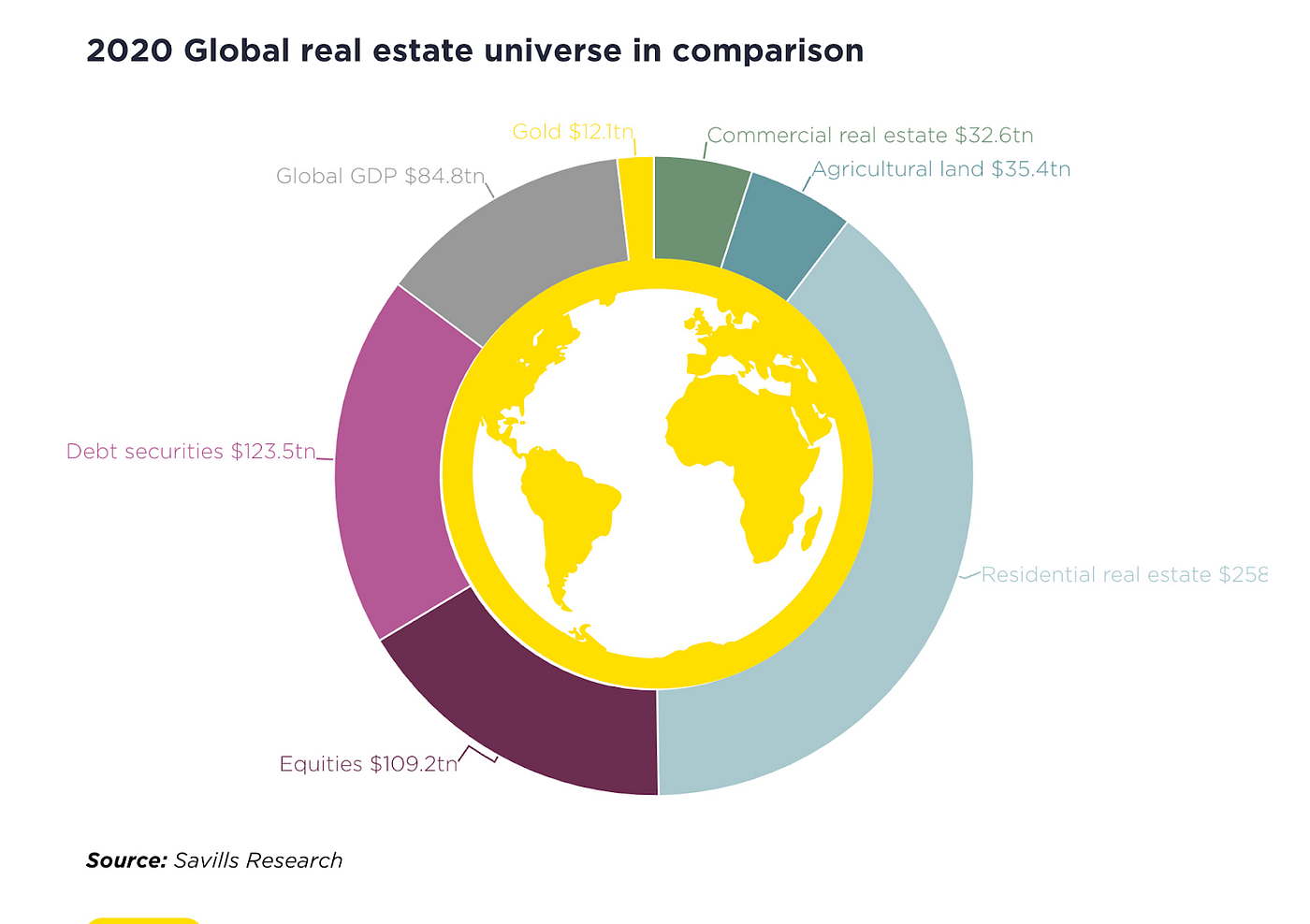
- Real Estate — $290 trillion combined. RealT could use Chainlink to tokenize real estate. RealT issues tokenized shares of real estate that trade on exchanges. This makes real estate more accessible to investors and easier to trade.
RealT issues tokenized shares of commercial and residential real estate in the form of ERC-20 tokens. Each token represents a share in a specific property.
Chainlink could be used by RealT to provide transparency and accuracy of information about tokenized shares of real estate. Chainlink could provide information about parameters such as the location of the property, the market value, rental income, etc. This information is available to all investors, which helps them make more informed investment decisions.
- Art — $680 billion size with $68 billion trading volume per year. Artory uses Chainlink to tokenize art. Artory issues tokenized art tokens that track the value of works of art. This makes art more transparent and accessible to investors.
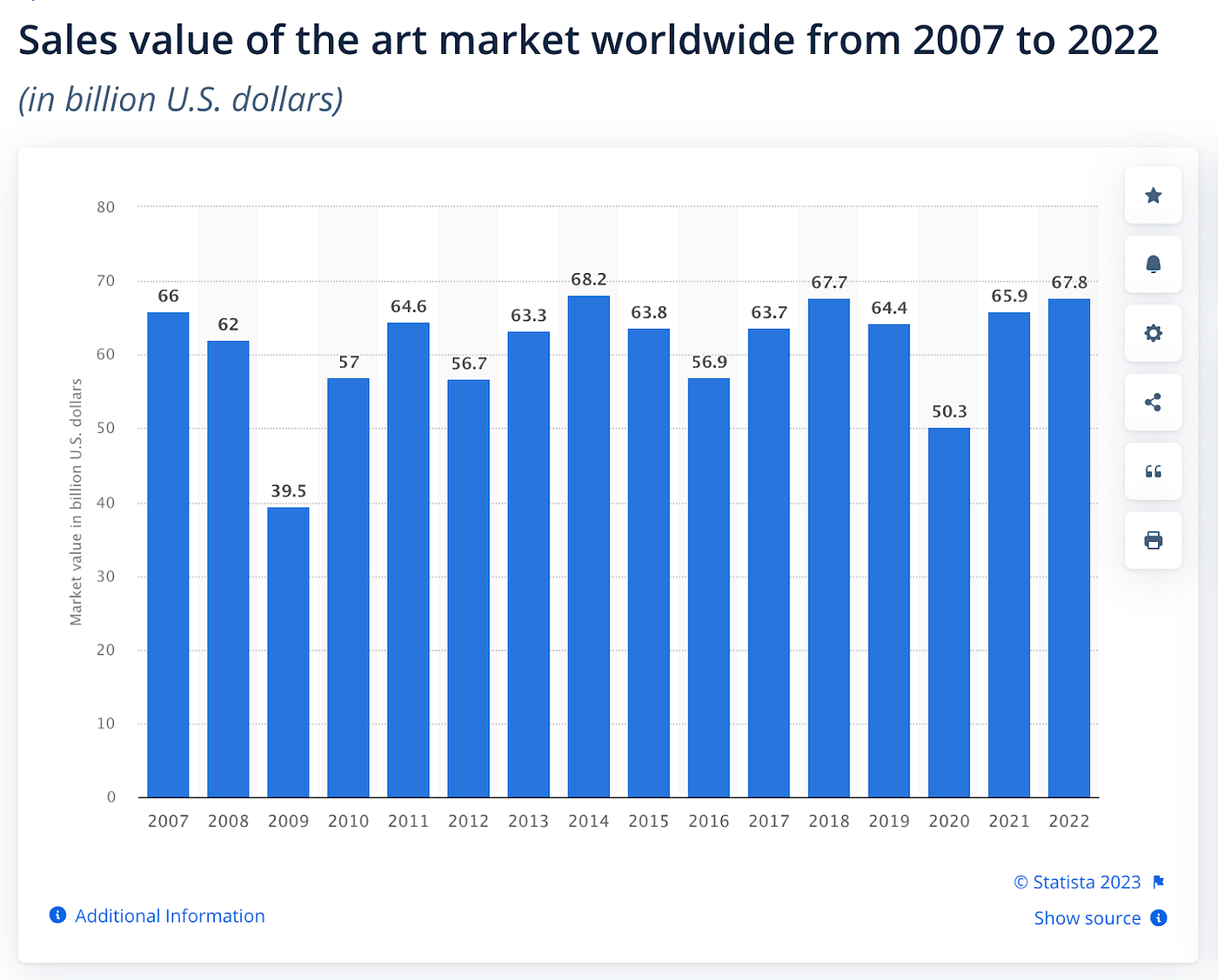
Artory is already using Chainlink to obtain information about parameters such as the market value of works of art, their sales history, etc. This information is used to calculate the value of tokenized art tokens.
Artory uses Chainlink to integrate the following data:
- Market value data for works of art: market value data for works of art from various sources, including exchanges, auctions, and galleries. This data is used to calculate the value of tokenized art tokens.
- Sales history data for works of art: sales history data for works of art from various sources, including auction houses and galleries. This data is used to calculate the value of tokenized art tokens.
- Condition data for works of art: condition data for works of art from various sources, including insurance companies and art experts. This data is used to calculate the value of tokenized art tokens.
The cooperation of Artory with Chainlink allows the company to provide more transparent and accurate information about the value of works of art. This, in turn, makes tokenized art tokens more attractive to investors.
- Commodities — $128 trillion of nominal value. Trafigura could use Chainlink to tokenize commodities. Trafigura issues tokenized commodity tokens that track commodity prices. This makes commodities more accessible to producers and traders.

Trafigura could use Chainlink to obtain information about parameters such as commodity exchange prices, production data, etc. This information is used to calculate the value of tokenized commodity tokens.
Trafigura could have Chainlink to integrate the following data:
- Commodity exchange price data: commodity exchange price data from various sources, including exchanges and trading platforms. This data is used to calculate the value of tokenized commodity tokens.
- Production data for commodities: production data for commodities from various sources, including government agencies and industry organizations. This data is used to calculate the value of tokenized commodity tokens.
- Logistics data for commodities: logistics data for commodities from various sources, including transportation companies and port authorities. This data is used to calculate the value of tokenized commodity tokens.
The cooperation of Trafigura with Chainlink would allow the company to obtain more accurate and up-to-date information about the value of commodities. This, in turn, would help the company to make more informed investment decisions and to trade commodities more efficiently.
Conclusion
Tokenization with Chainlink has the potential to create liquidity for a wide range of illiquid assets. This could lead to increased investment in these assets and lower prices.
In the future, it is expected that this technology will be used to tokenize an increasing number of illiquid assets. This could lead to a significant increase in the liquidity of these assets and expanded opportunities for investors.
Here are some specific examples of how tokenization using Chainlink could be used in the future:
- Tokenization of real-world assets. Tokenization could be used to tokenize such real-world assets as equipment, inventory, and even labor resources. This could lead to improved efficiency in managing these assets and to expanded access to them for investors.
- Tokenization of social assets. Tokenization could be used to tokenize such social assets as education, healthcare, and housing. This could lead to improved efficiency in using these assets and to improved access to them for the population.
- Tokenization of assets in the arts and culture. Tokenization could be used to tokenize such assets in the arts and culture as works of art, intellectual property, and access to cultural events. This could lead to improved accessibility of these assets to the general public and to expanded opportunities for investors.
Tokenization using Chainlink has the potential to revolutionize the asset market. This technology could make assets more liquid, accessible, and efficient. This could lead to a significant investment increase and an improvement in people’s lives.


.png)

.png)


.jpg)


.webp)